Industrial Arts
Art Deco emerged in the 1920s as one of the most visually distinctive design movements of the 20th century. With its bold geometric forms, rich ornamentation, and sense of glamour, it swept through architecture, fashion, jewellery, and furniture design across Europe and America. Yet for all its elegance, Art Deco was not born in the salon or the studio. Its DNA traces back somewhere far less refined: the factory floor.
The industrial revolution's lasting legacy
The 19th century Industrial Revolution fundamentally changed how objects were made. Mass production introduced standardised components, precise geometric forms, and an entirely new visual language shaped by machinery. Factories produced repeating patterns, clean lines, and symmetrical structures — not as aesthetic choices, but as practical necessities. These forms quietly seeped into the broader cultural consciousness, laying the groundwork for what would eventually become Art Deco's signature style.
Embracing the machine age
By the early 20th century, a new generation of designers had grown up surrounded by industry. Rather than rejecting mechanisation — as the Arts and Crafts movement had done — they embraced it. The machine became a muse. Streamlined locomotives, steel bridges, and the precise geometry of industrial components were seen as beautiful in their own right. Art Deco channelled this admiration into decorative form, celebrating speed, precision, and modernity as aesthetic values worth pursuing.
Craftsmanship meets industrial form
What made Art Deco genuinely novel was its fusion of industrial influence with exceptional craft. Designers borrowed the vocabulary of the factory — chevrons, stepped forms, sunburst patterns — but executed them in luxurious materials: lacquered wood, chrome, ivory, and semi-precious stones. The result was something entirely new. Objects that felt simultaneously modern and opulent, democratic in their geometric logic yet exclusive in their finish. It was industrialism dressed in its finest clothes.
Architecture and the factory aesthetic
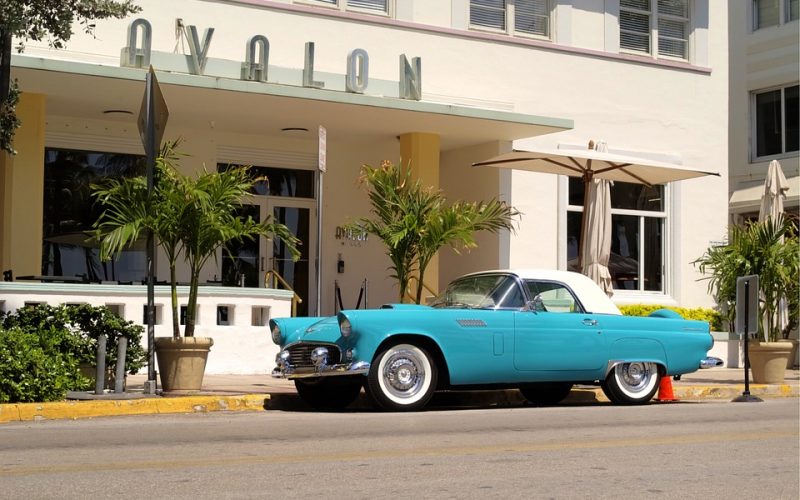
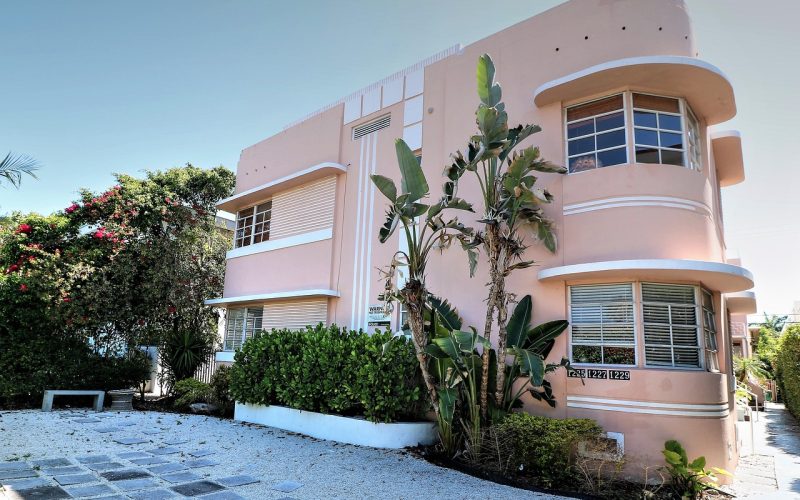
Nowhere is Art Deco's industrial heritage more visible than in its architecture. Buildings from New York's Chrysler Building to the many Odeon cinemas scattered across Britain drew directly from industrial forms. Setback facades, vertical lines suggesting upward momentum, and decorative motifs borrowed from engineering all spoke to a culture in love with progress. These structures were monuments to the machine age — grand, confident, and unashamedly modern.
A movement shaped by its moment
Art Deco did not emerge in a vacuum. It arose during a period of profound social and technological change, when aviation, electricity, and the automobile were reshaping daily life at extraordinary speed. Industrial progress was not merely a backdrop; it was the central story of the era. Art Deco gave that story a visual form, translating the energy of a modernising world into design that felt both aspirational and accessible. The factory, in this sense, was not just an influence — it was an inspiration.
Why the industrial roots still matter
Understanding Art Deco's industrial origins changes how we read it. Those repeating geometric motifs are not merely decorative; they echo the stamped metal and machined components of industrial production. The stylised forms found in jewellery and furniture reflect a world in which the boundary between art and engineering had grown productively blurred. Recognising this lineage deepens appreciation for the movement and reveals something important about the relationship between technology and beauty — one that designers continue to navigate a century on.